

Tile format, the size and shape of the tile, is one of the most impactful decisions in any tiling project. It affects how a space reads, how the installation behaves, and how complex and costly the laying process will be. Yet it's often treated as an afterthought, decided after the colour and finish have already been locked in. Getting the format decision right from the start produces better results at every level.
Small Tiles in Small Spaces
There's a common misconception that small tiles should be used in small rooms to 'match the scale' of the space. In reality, smaller tiles used throughout a small room can fragment the eye and make the space feel busier and smaller than it is. Large format tiles in a small bathroom when used floor to ceiling, often produce a more spacious result than small mosaic or subway tiles. The key variable is grout line density, not tile size.
Matching Format to Function
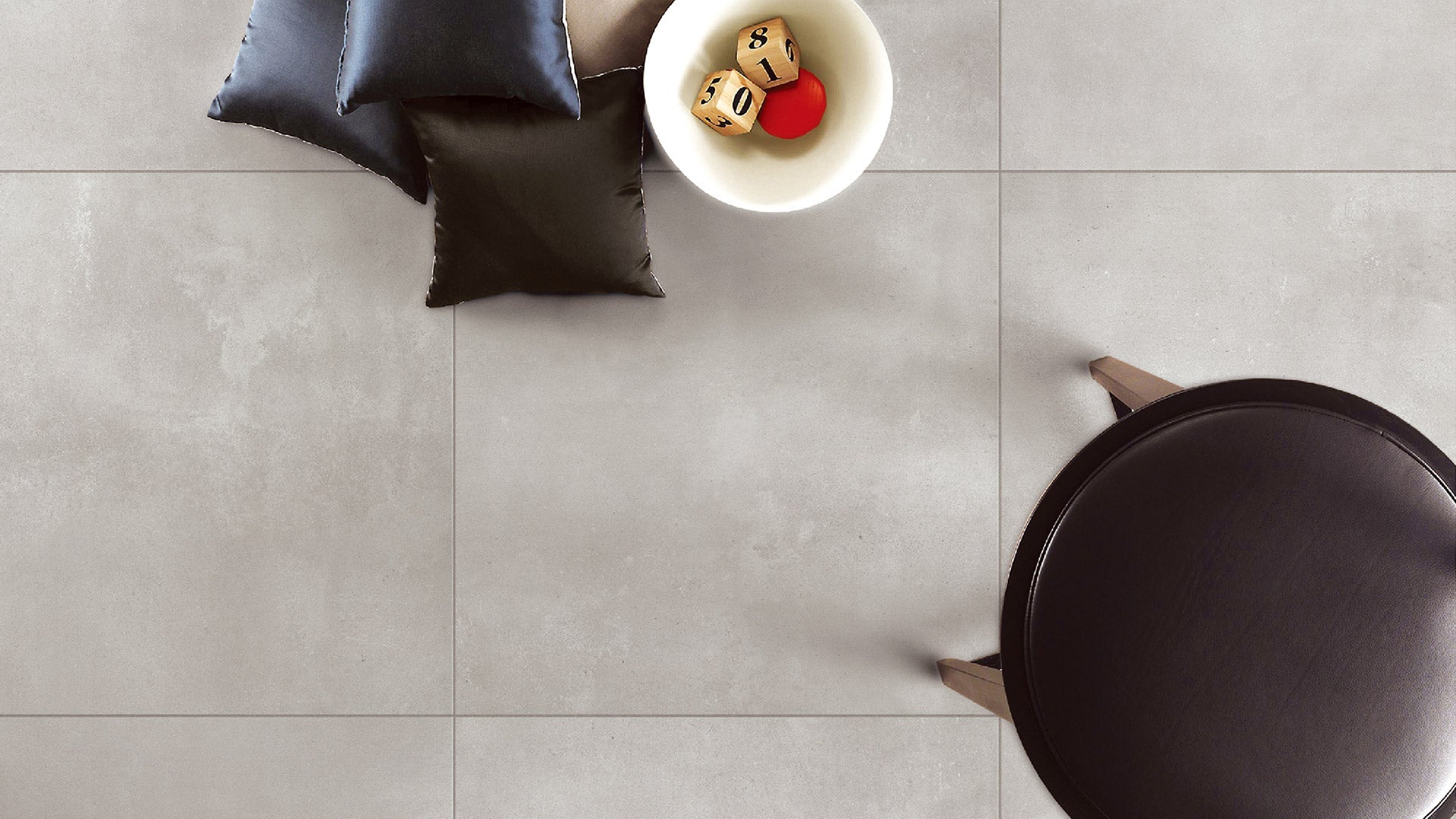
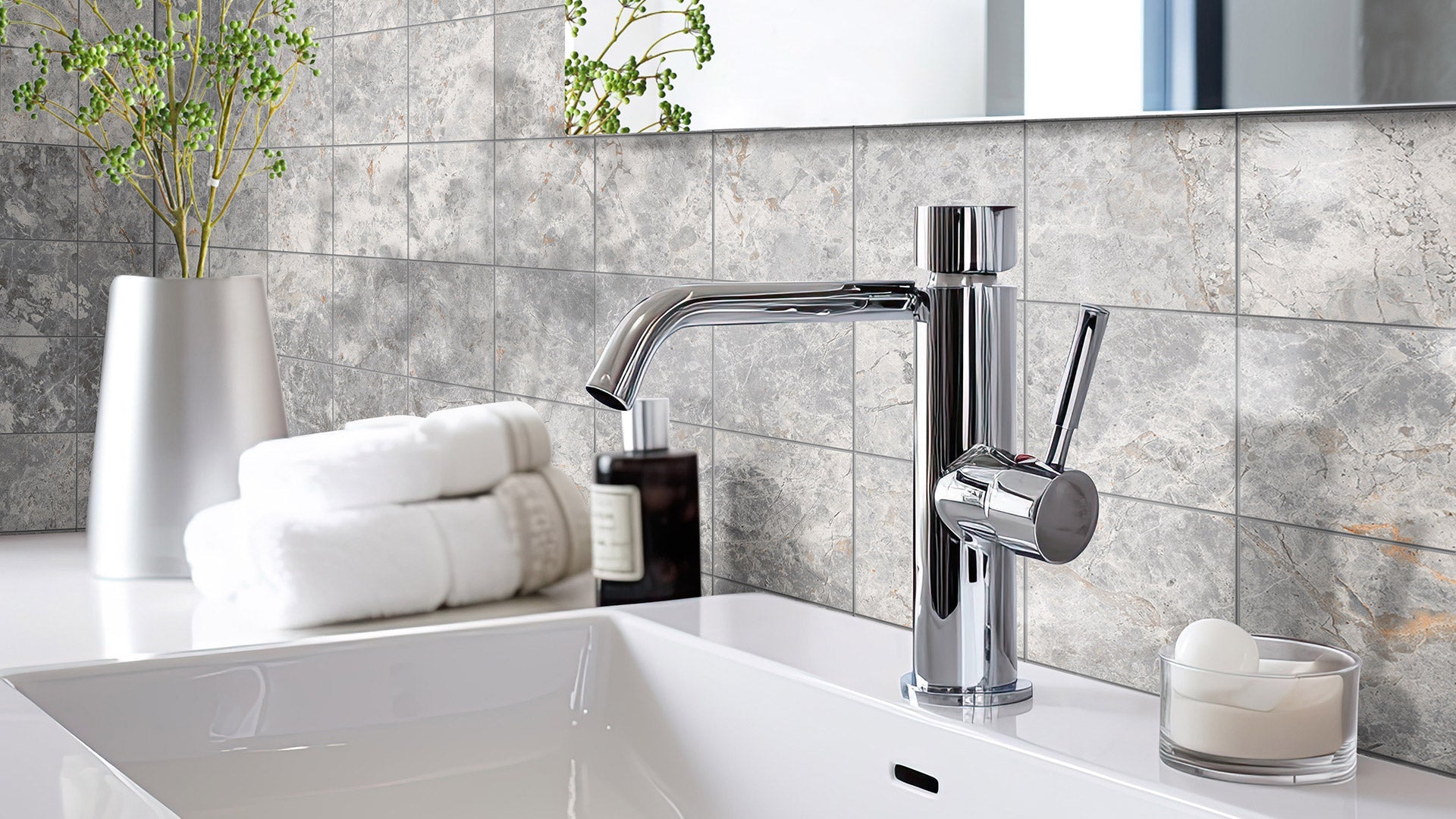
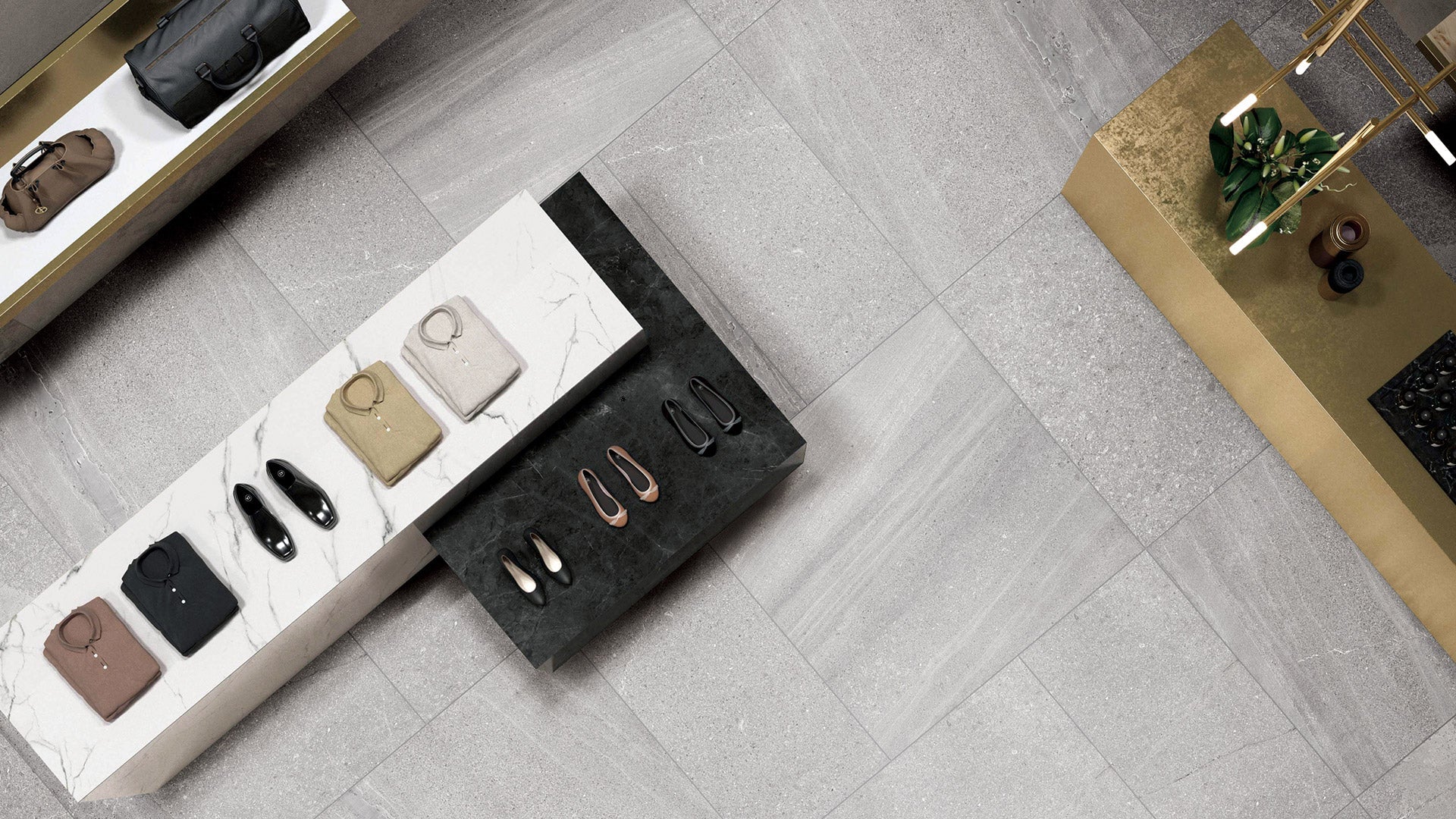
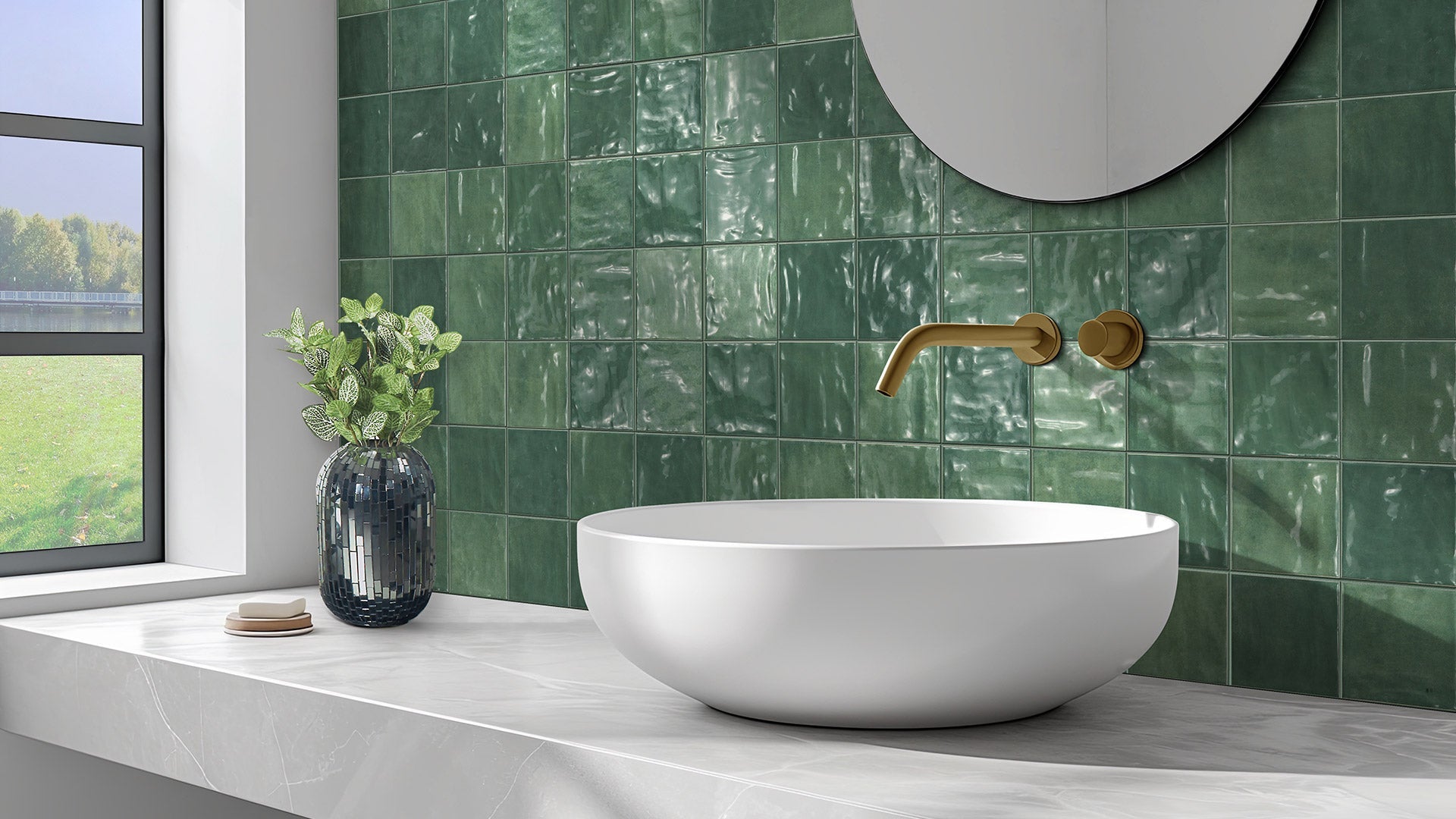
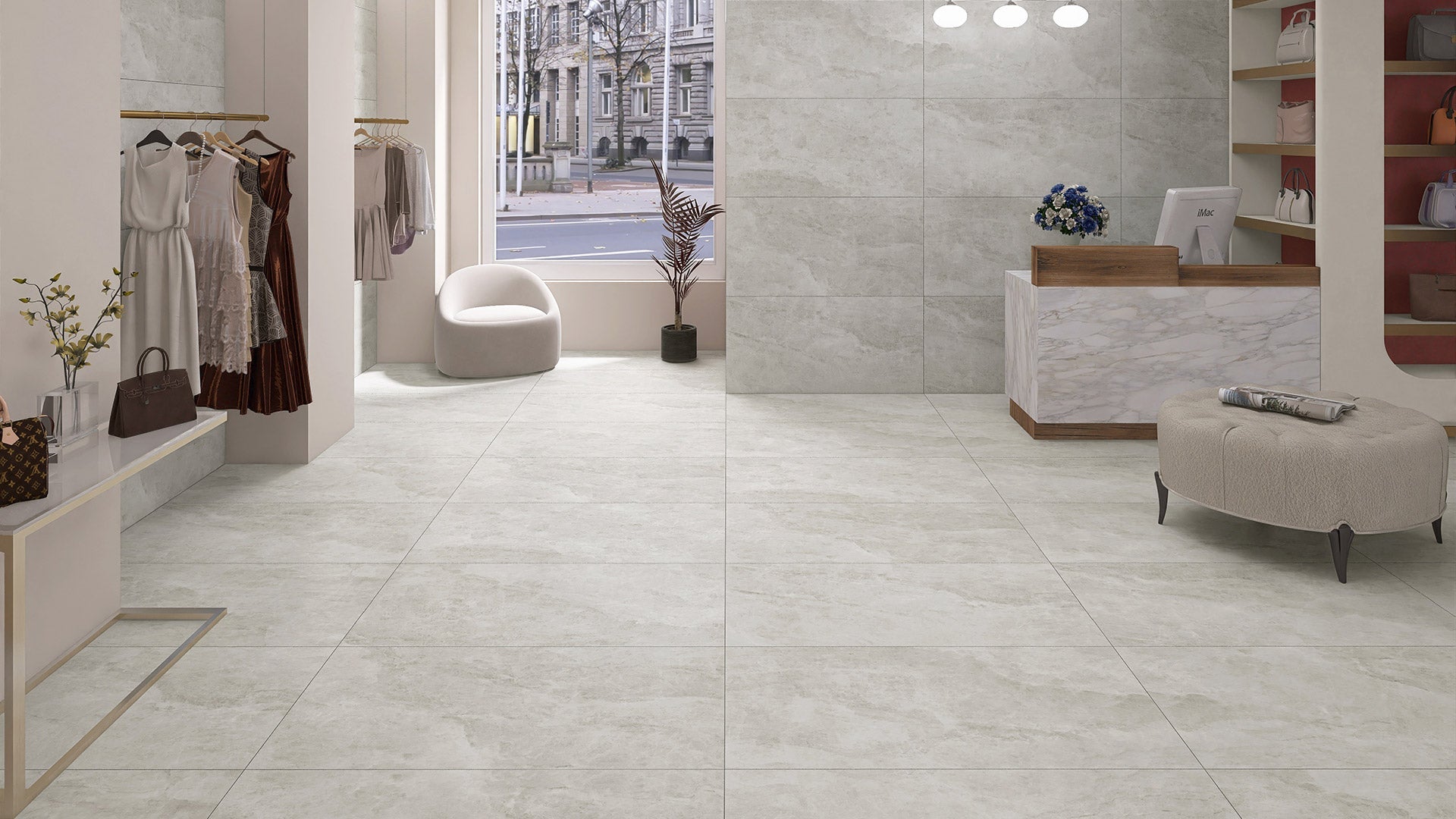
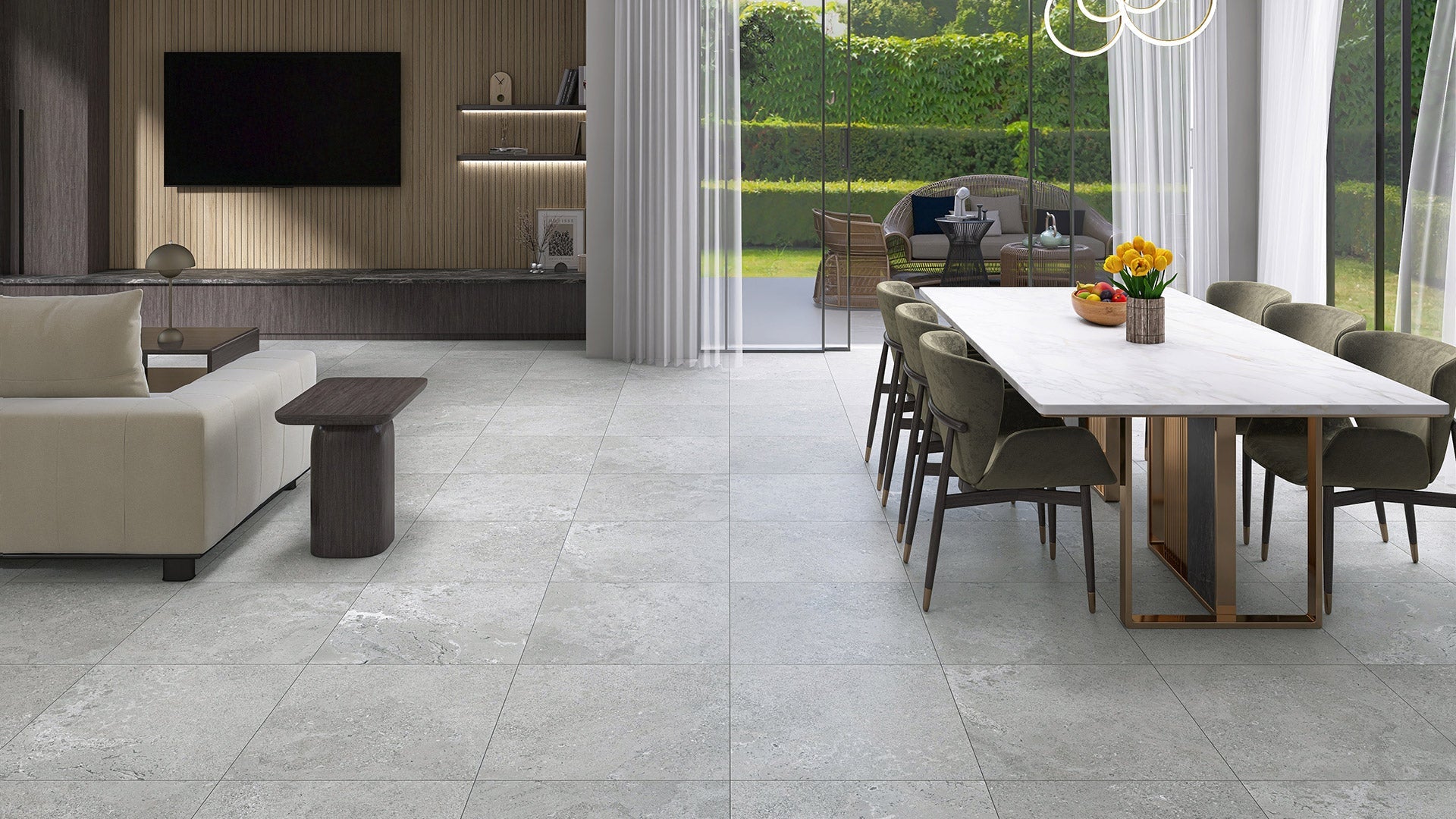
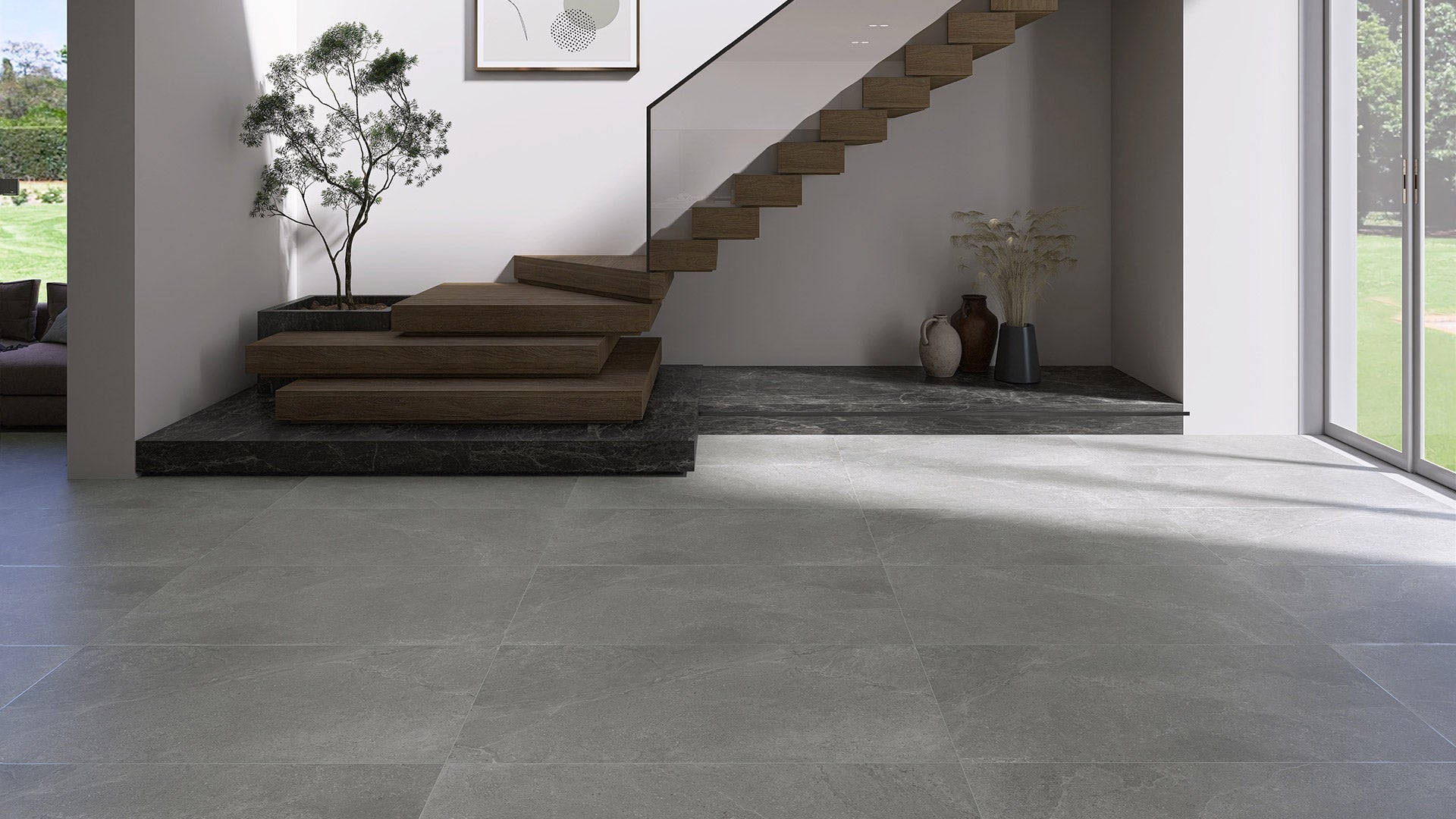
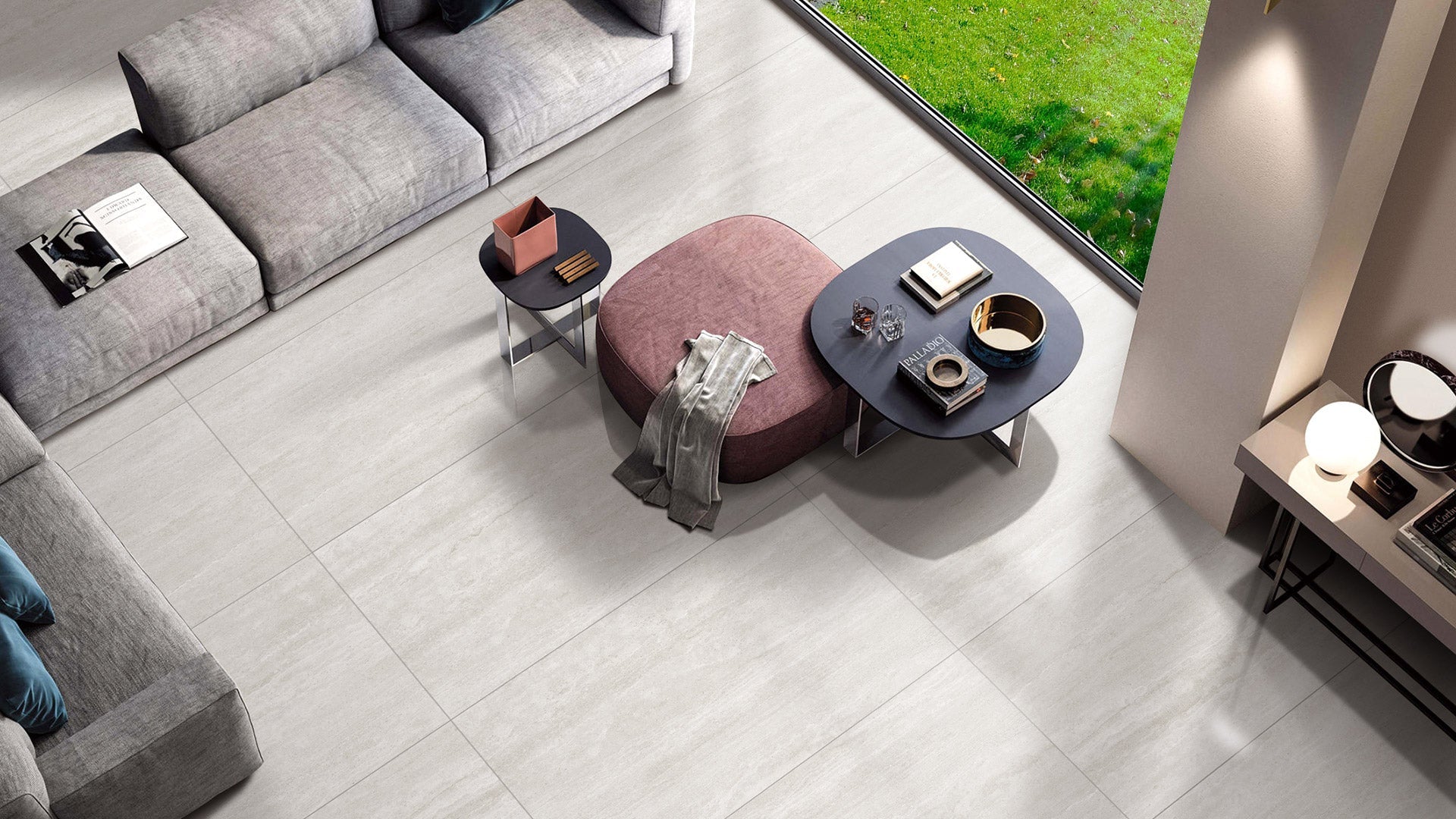
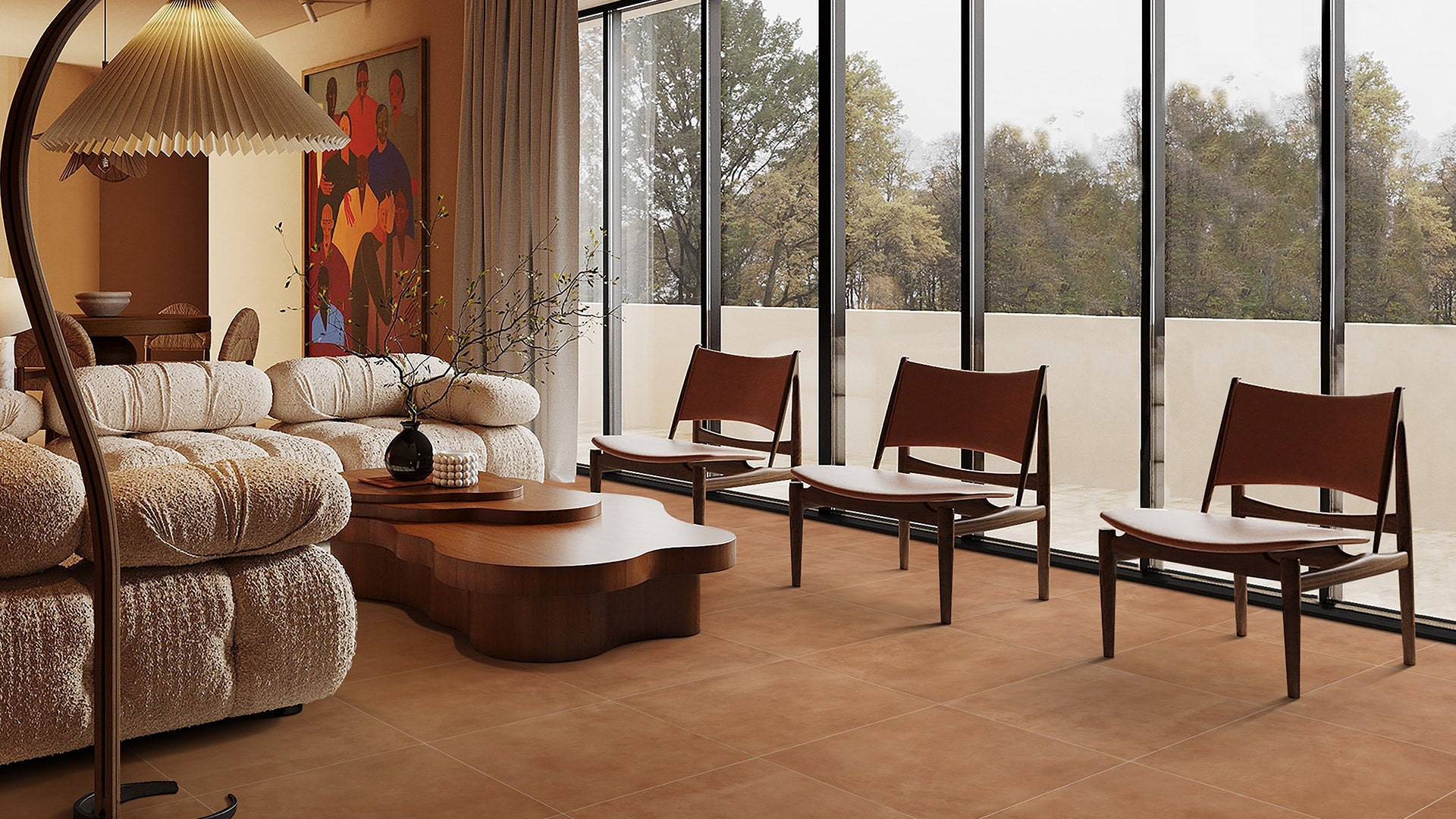
Some tile formats are better suited to specific applications. Mosaic tiles are ideal for curved surfaces, shower floors, and areas where a detailed pattern is desired. Subway tiles work beautifully in kitchen splashbacks and as a secondary tile in bathrooms where a classic reference point is appropriate. Large format tiles (600mm and above) are most at home in open-plan living areas, large bathrooms, and commercial floors where the seamless surface is the design goal.
Layout Patterns and Their Effect
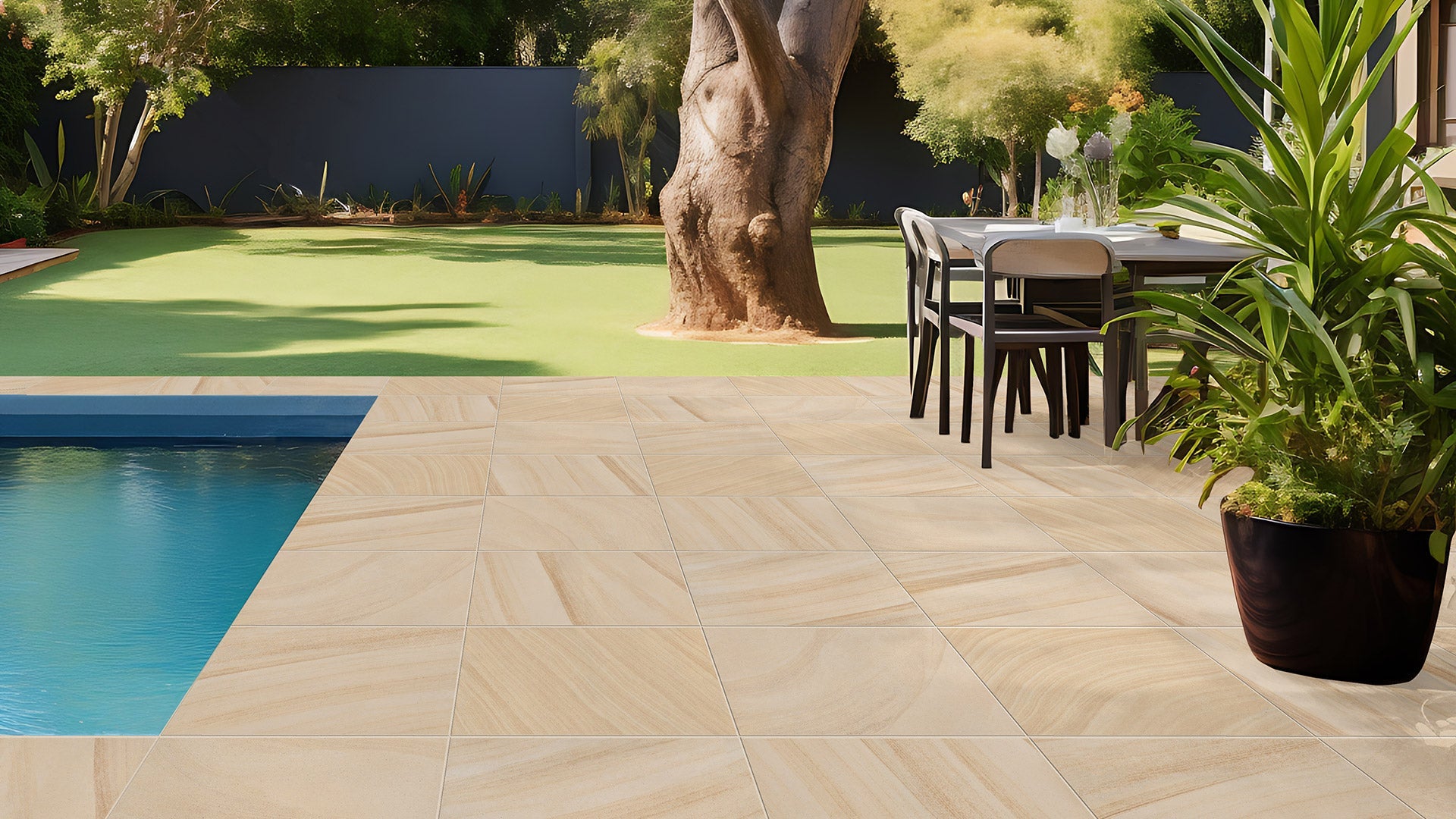
The pattern in which a tile is laid can dramatically change its apparent size and the feel of the space. A brick-bond (offset) pattern emphasises the horizontal dimension and makes a room feel wider. A straight stack pattern reads as more formal and contemporary. A herringbone or chevron pattern adds movement and direction. A diagonal layout on a standard tile makes the space feel larger by directing the eye toward the corners rather than the walls.
Waste and Installation Complexity
Tile format also affects waste and installation cost. Larger tiles cut less efficiently and generate more waste in rooms with awkward shapes, recesses, and penetrations. Diagonal layouts add to waste significantly — budget for 15–20% additional material on top of the area being tiled. Complex patterns — herringbone, chevron, and fan patterns — require more skilled installation and take longer to lay, which affects the installation cost. Factor these variables into your project budget before the format decision is finalised.
Share:
Getting Grout Right: How It Can Make or Break Your Tile Job